Local SEO for Small Business: A Practical 2027 Guide | Design Logic Agency
By the Design Logic Agency team — local SEO specialists for small businesses.
When someone nearby needs what you sell, they almost always reach for their phone and search — "plumber near me," "best dentist in [town]," "coffee open now." The businesses that show up in those first few local results get the call; everyone else gets ignored. Local SEO is how you become one of the businesses that shows up. This is a practical, no-jargon guide for small business owners who want more customers from their own backyard.
Key takeaways
A huge share of searches have local intent, and most people choose from the businesses that appear in the top local results — especially the map pack.
Your Google Business Profile is the single most important local SEO asset. Claim it, complete it, and keep it active.
Consistent business information (name, address, phone) across the web, genuine reviews, and locally relevant content are the core ranking drivers.
Local SEO compounds: steady, consistent effort beats sporadic bursts, and it's very winnable for small businesses against bigger competitors.
What local SEO actually is
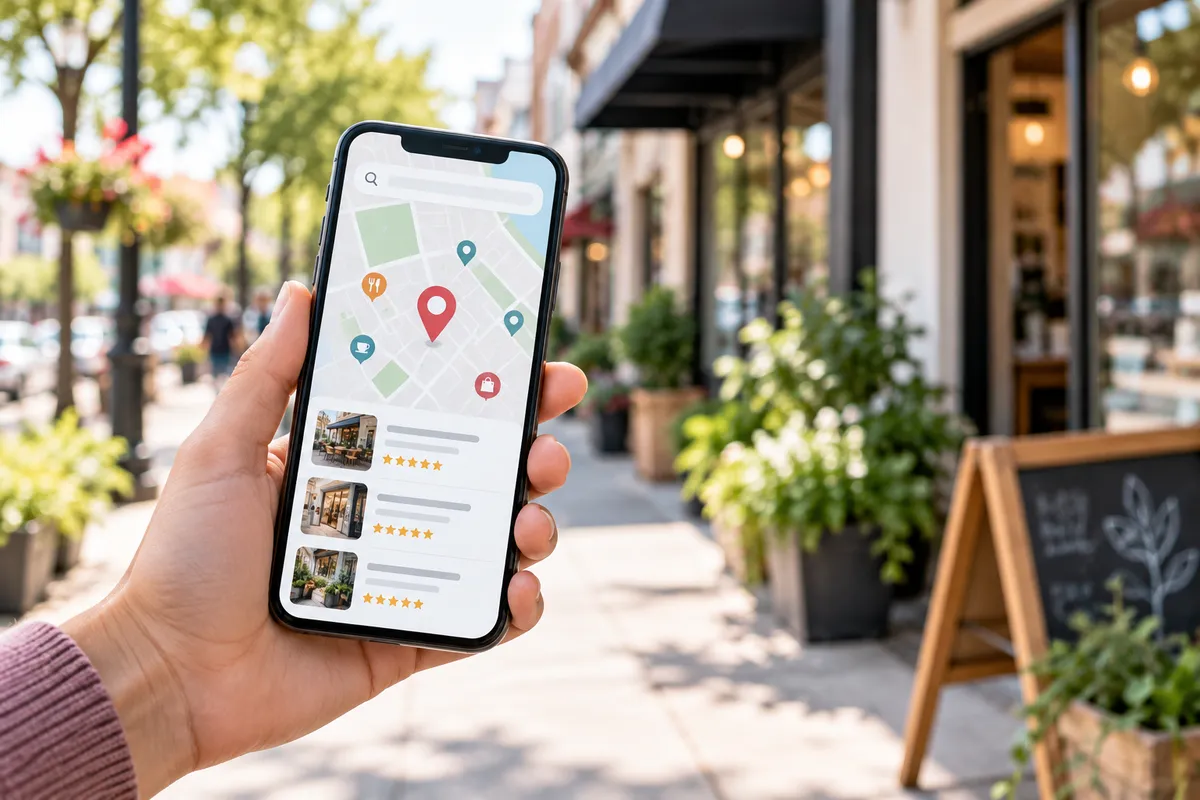
Local SEO is the work of getting your business to show up when people search for products or services "near me" or in a specific place. It covers two connected results: the map pack (the little map with three business listings near the top of local searches) and the local organic results (the normal links below). Rank well in those, and you capture people at the exact moment they're ready to act.
What makes local SEO so valuable for small businesses is the intent. Someone searching "emergency electrician near me" isn't browsing — they have a problem and a wallet. Local SEO puts you in front of buyers, not just browsers.
Why local search is where small businesses win
A large portion of all Google searches are looking for something local, and "near me" searching has become second nature. Even better, local results are dominated by local businesses — this is one of the few arenas where a well-run small business can consistently out-rank national brands, because proximity and relevance matter so much. You don't need the biggest budget; you need the cleanest, most consistent local signals.
The local SEO fundamentals, in order
1. Claim and fully optimize your Google Business Profile
Your Google Business Profile (the listing that appears in Maps and the map pack) is the foundation of local SEO. Claim it, then fill out everything: correct categories, services, hours, service area, photos, and a complete description. An incomplete profile quietly costs you rankings and clicks. We'll go deeper on this in an upcoming post dedicated to Google Business Profile optimization (https://designlogicagency.co/services), because it deserves its own playbook.
2. Get your NAP consistent everywhere
NAP stands for Name, Address, Phone. These details must match exactly across your website, Google Business Profile, and every directory and listing where your business appears. Inconsistencies — an old address here, a different phone format there — confuse search engines and erode trust. Cleaning up your citations is unglamorous but powerful.
3. Earn and respond to reviews
Reviews are rocket fuel for local SEO and for conversions. A steady flow of recent, authentic reviews signals to Google that you're active and trusted, and it's often the deciding factor for the customer choosing between you and the next listing. Just as important: respond to reviews — all of them. It shows you're engaged and gives you another natural place to reinforce what you do and where.
4. Make your website locally relevant
Your site should make it obvious where you operate and what you offer. Name your service areas, create pages for your core services, and publish content that answers local questions. If you serve multiple towns, dedicated location or service-area pages (done well, not spun) help you show up for each one. Blog content like this piece also builds topical authority over time.
5. Build local authority and links
Mentions and links from locally relevant sources — chambers of commerce, local news, community sponsorships, partner businesses — tell Google you're a real, rooted part of the community. These local signals are harder for out-of-town competitors to replicate, which is exactly why they're worth earning.
Your map-pack readiness checklist
Use this quick self-check to see how close you are to competing in the local map pack — it's the exact baseline we run for new local clients:
Profile claimed and verified? If not, nothing else moves. Start here.
Primary category exactly right? It's one of the strongest ranking signals — specific beats broad.
Every field complete? Hours (including holidays), services, service area, attributes, and a full description.
NAP identical everywhere? Website, Google Business Profile, and your top three directories must match character-for-character.
Reviews in the last 30 days? Count them, and check that you've responded to each.
Service-area or service pages on your site? One clear page per core service and location you serve.
Any local links or mentions? Chamber, local press, sponsorships, partners — even a couple move the needle.
Score yourself one point each. Five or below means there's fast, winnable ground to gain before a competitor takes it.
How local SEO ties into AI search
Everything above does double duty. The same consistency, reviews, and structured information that win the map pack also make AI assistants more likely to recommend you when someone asks, "who's the best [service] near me?" Local SEO and AI search optimization (https://designlogicagency.co/services) reinforce each other — investing in one strengthens the other.
How long does local SEO take?
Local SEO is a compounding investment, not a switch. Profile and citation fixes can move things within weeks; reviews, content, and authority build over months. The businesses that win are the ones that stay consistent instead of doing a burst and stopping. The good news is that because so many competitors never do the fundamentals well, steady effort pulls you ahead faster than you'd expect.
Frequently asked questions
What is local SEO for small business?
It's the process of getting your business to show up when nearby customers search for what you offer — in Google's map pack and local results. It focuses on your Google Business Profile, consistent business information, reviews, and locally relevant content.
What is the most important local SEO factor?
A complete, active Google Business Profile, backed by consistent name/address/phone across the web and a steady stream of genuine reviews. Those three together drive most local ranking and clicks.
How do I rank in the Google map pack?
Fully optimize your Google Business Profile, keep your business information consistent everywhere, earn and respond to reviews, and make your website clearly relevant to your service area. Local links and mentions help further.
How long does local SEO take to work?
Some fixes (profile, citations) can help within weeks; reviews, content, and authority compound over months. Consistent ongoing effort beats sporadic bursts and is very winnable for small businesses.
Want to own your local market?
If you're not showing up when nearby customers search, you're handing those calls to competitors. Design Logic Agency helps small businesses win local search — from Google Business Profile to reviews to content. Book a free strategy call (https://designlogicagency.co) and we'll pinpoint exactly where you're losing local customers and how to fix it.


